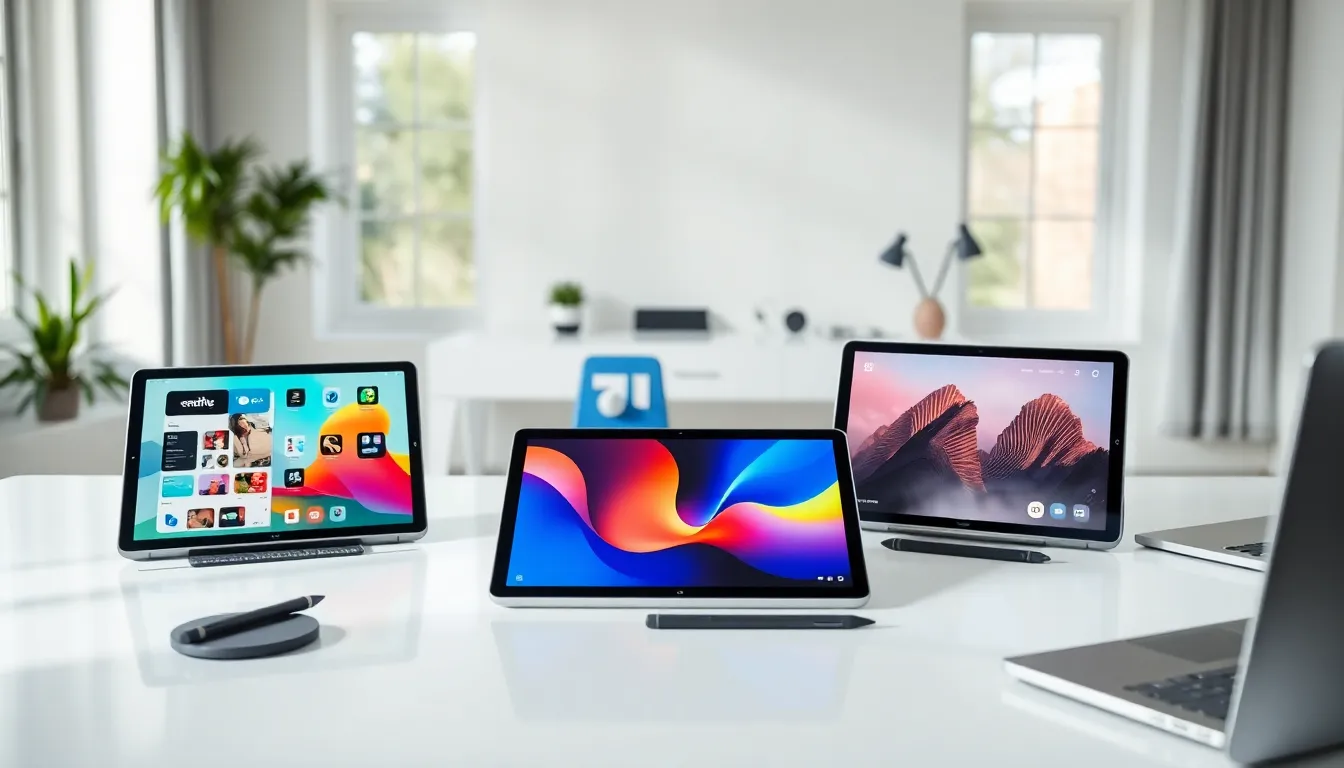
A tablet is a portable computing device with a touchscreen display. It sits between a smartphone and a laptop in size, power, and functionality. Tablets have changed how people consume media, work remotely, and stay connected on the go.
Since Apple launched the iPad in 2010, tablets have become essential tools for millions of users worldwide. They offer larger screens than phones without the bulk of laptops. This guide explains what tablets are, how they work, and how to pick the right one.
Table of Contents
ToggleKey Takeaways
- A tablet is a portable touchscreen device that bridges the gap between smartphones and laptops in size, power, and functionality.
- Tablets typically feature 7-13 inch screens, weigh 300-700 grams, and offer 8-12 hours of battery life for on-the-go use.
- Popular tablet uses include streaming media, reading e-books, mobile gaming, productivity work, education, and creative projects like digital art.
- When choosing a tablet, consider your primary use case, budget ($100-$2,000+), and ecosystem preference (iPadOS, Android, or Windows).
- Modern tablets support accessories like stylus pens and detachable keyboards, making them viable laptop replacements for many users.
How Tablets Differ From Laptops and Smartphones
Tablets occupy a unique space in the device ecosystem. They share features with both laptops and smartphones but serve different purposes.
Size and Portability
A typical tablet has a screen between 7 and 13 inches. Smartphones usually max out at around 7 inches, while laptops start at 11 inches and go much larger. This makes tablets easier to carry than laptops but better for viewing content than phones.
Tablets weigh between 300 grams and 700 grams on average. Most laptops weigh at least 1 kilogram. This weight difference matters when you’re holding a device for extended periods.
Input Methods
Smartphones and tablets rely primarily on touchscreens. Users tap, swipe, and pinch to interact with apps and content. Laptops use keyboards and trackpads as their main input devices.
Many tablets now support stylus pens and detachable keyboards. These accessories blur the line between tablets and laptops. The iPad Pro with a Magic Keyboard, for example, functions almost like a laptop.
Processing Power
Laptops generally offer more processing power than tablets. They can run demanding software like video editors and 3D modeling programs. Tablets handle everyday tasks well but may struggle with intensive applications.
But, this gap is shrinking. Apple’s M-series chips in recent iPads match or exceed many laptop processors. High-end Android tablets from Samsung also deliver strong performance.
Operating Systems
Tablets run mobile operating systems like iPadOS, Android, or Windows. These systems prioritize touch interaction and battery efficiency. Laptops typically run full desktop operating systems with more software options.
Key Features and Components of Modern Tablets
Understanding what tablets include helps buyers make informed decisions. Here are the core components that define tablet performance.
Display
The display is a tablet’s most important feature. Screen quality affects everything from reading text to watching videos. Modern tablets use LCD or OLED panels.
OLED screens offer deeper blacks and better contrast. LCD panels cost less and still look good. Resolution matters too, look for at least 1920×1080 pixels for sharp images.
Refresh rates have improved on recent tablets. Many now offer 90Hz or 120Hz displays, which make scrolling and animations smoother.
Processor and Memory
The processor determines how fast a tablet runs apps and handles multitasking. Apple’s A-series and M-series chips power iPads. Android tablets use Qualcomm Snapdragon or MediaTek processors.
RAM affects how many apps can run simultaneously. Budget tablets have 2-4 GB of RAM. Premium tablets offer 8-16 GB for better multitasking.
Storage
Tablets store apps, photos, and files in internal memory. Options range from 32 GB to 2 TB. Many Android tablets accept microSD cards for additional storage. iPads don’t support expandable storage.
Battery
Battery life varies by tablet size and usage. Most tablets last 8-12 hours on a single charge. Larger batteries mean longer use but add weight.
Cameras and Speakers
Front cameras enable video calls. Rear cameras let users take photos and scan documents. Tablet cameras have improved but still lag behind smartphone cameras.
Stereo speakers enhance media consumption. Some tablets include four speakers for better sound quality.
Popular Uses for Tablets
Tablets serve many purposes across personal and professional settings. Their versatility makes them popular with diverse user groups.
Entertainment and Media
Streaming video is one of the most common tablet uses. Services like Netflix, YouTube, and Disney+ look great on tablet screens. The larger display beats a phone for movie watching.
Reading e-books and magazines feels natural on tablets. Apps like Kindle and Apple Books turn tablets into digital libraries. Many people prefer tablets over dedicated e-readers for their color screens and versatility.
Mobile gaming thrives on tablets. The bigger screen gives players better visibility and control. Games like Genshin Impact and PUBG Mobile run well on modern tablets.
Productivity and Work
Professionals use tablets for email, documents, and presentations. Microsoft Office and Google Workspace apps work on all major tablet platforms.
With a keyboard attachment, a tablet becomes a portable workstation. Writers, journalists, and business travelers appreciate this flexibility. Some users have replaced their laptops entirely with tablets.
Education
Schools and universities have adopted tablets for digital learning. Students access textbooks, take notes, and complete assignments on their devices. Interactive apps make learning more engaging.
Teachers use tablets to display lessons and grade work. The portability helps educators move around classrooms freely.
Creative Work
Artists and designers create digital illustrations on tablets. The Apple Pencil and Samsung S Pen offer precise control for drawing. Apps like Procreate and Adobe Fresco enable professional-quality artwork.
Music production, photo editing, and video creation are all possible on tablets. These creative tools continue to improve each year.
How to Choose the Right Tablet for Your Needs
Picking the right tablet depends on intended use, budget, and ecosystem preferences. These factors guide the decision-making process.
Define Your Primary Use
Media consumers should prioritize display quality and battery life. A 10-inch screen with good speakers enhances entertainment.
Productivity users need a tablet that supports keyboards and has enough processing power. Consider models with desktop-class chips.
Creatives should look for stylus support and color-accurate displays. The iPad Pro and Samsung Galaxy Tab S series excel for art and design.
Set a Budget
Tablets range from $100 to over $2,000. Budget options like the Amazon Fire tablets cost under $150 and handle basic tasks. Mid-range tablets from $300-$600 offer good performance for most users.
Premium tablets above $800 deliver the best displays, processors, and build quality. They make sense for professionals and power users.
Choose an Ecosystem
iPad works best for users already invested in Apple products. iPhones, Macs, and iPads share files and features seamlessly.
Android tablets offer more variety and customization. They integrate well with Google services and Android phones.
Windows tablets like the Surface Pro run full desktop software. They suit users who need laptop-level capabilities in a tablet form.
Consider Accessories
Budget extra for cases, keyboards, and styluses. These accessories can add $100-$400 to the total cost. Some tablets include the stylus: others sell it separately.