Tablets have become essential devices for millions of people around the world. They bridge the gap between smartphones and laptops, offering portability without sacrificing screen real estate. Whether someone needs a device for streaming movies, taking notes in class, or handling work emails on the go, tablets deliver versatility in a slim package.
But with so many options on the market, picking the right tablet can feel overwhelming. Screen sizes range from compact 7-inch models to expansive 13-inch displays. Operating systems vary widely, each with distinct app ecosystems and user experiences. And price points span from budget-friendly options under $100 to premium devices exceeding $2,000.
This guide breaks down everything buyers need to know about tablets. It covers how these devices function, which features matter most, and how different operating systems compare. By the end, readers will have the knowledge to choose a tablet that fits their needs and budget.
Table of Contents
ToggleKey Takeaways
- Tablets bridge the gap between smartphones and laptops, offering portability with larger screens for streaming, productivity, and creative work.
- Screen size matters—choose 7-8 inches for portability, 10-11 inches for balanced use, or 12-13 inches for productivity and creative tasks.
- iPadOS offers polished performance and optimized apps, Android provides budget-friendly options, and Windows tablets deliver full desktop software compatibility.
- For smooth multitasking on a tablet, look for at least 8 GB of RAM and 128 GB of storage if you plan to store media and apps locally.
- Tablets excel at entertainment, note-taking, creative work, and travel due to their lightweight design and long battery life (8-12 hours).
What Is a Tablet and How Does It Work
A tablet is a portable computing device with a touchscreen interface. It performs many of the same functions as a laptop or desktop computer but uses a different input method. Instead of a keyboard and mouse, users interact with tablets by tapping, swiping, and pinching the screen directly.
Tablets run on mobile operating systems and rely on processors similar to those found in smartphones. These processors handle everything from loading apps to playing high-definition video. Most tablets include built-in Wi-Fi connectivity, and many models offer cellular options for internet access anywhere.
The internal components of a tablet sit behind the display. A lithium-ion battery powers the device, typically lasting between 8 and 12 hours on a single charge. RAM (random access memory) determines how smoothly the tablet runs multiple apps at once. Internal storage holds apps, photos, documents, and media files.
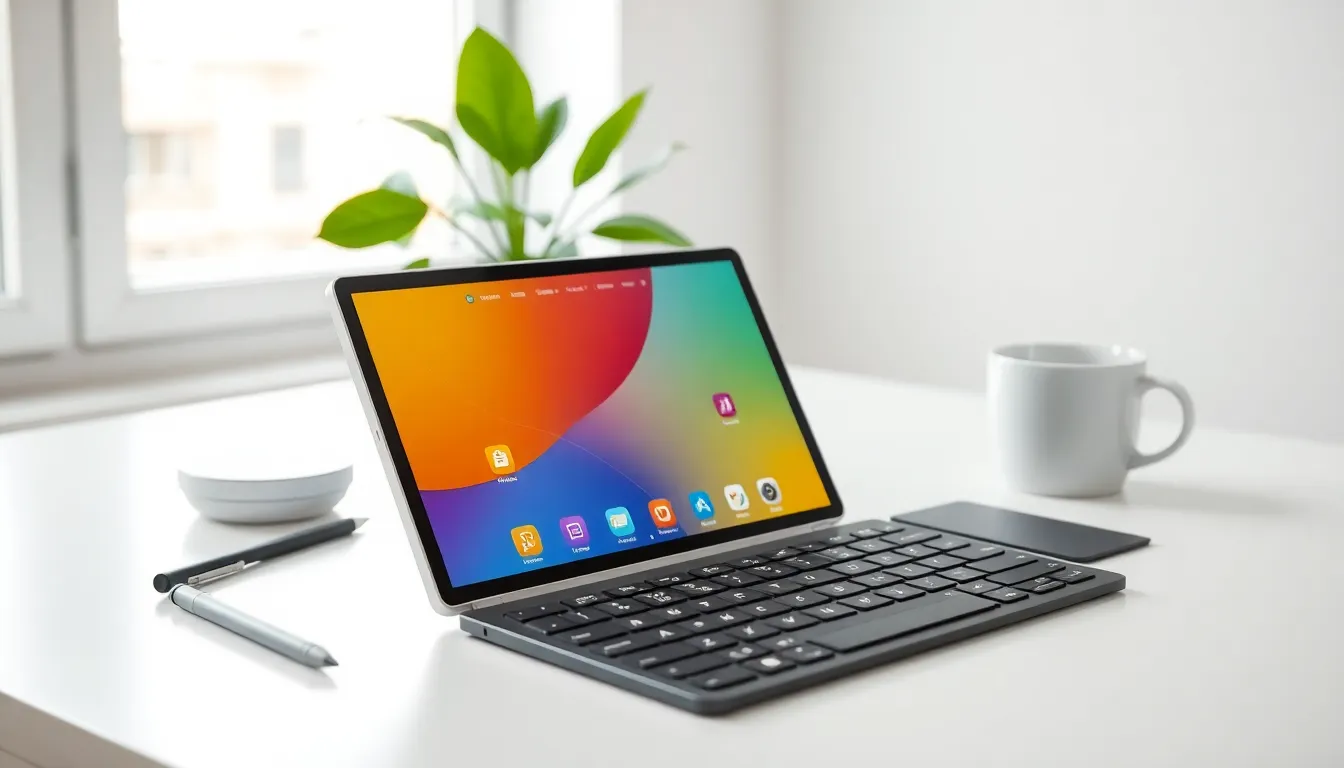
Tablets connect to external accessories through wireless protocols like Bluetooth or physical ports. Many users pair their tablets with wireless keyboards, styluses, or external speakers. Some tablets support docking stations that transform them into laptop-like workstations.
The touchscreen itself uses capacitive technology to detect finger contact. When a user touches the screen, sensors register the location and translate that input into action. Modern tablets support multi-touch gestures, allowing users to zoom with two fingers or rotate images with intuitive movements.
Key Features to Consider When Buying a Tablet
Choosing the right tablet means matching features to intended use. Some specifications matter more than others depending on whether someone plans to use their tablet for entertainment, productivity, or creative work.
Display and Screen Size
Screen size directly impacts how someone uses a tablet. Smaller tablets (7 to 8 inches) fit easily in bags and work well for reading or casual browsing. They’re lightweight and comfortable to hold for extended periods. But, the compact screen makes them less ideal for watching movies or working on documents.
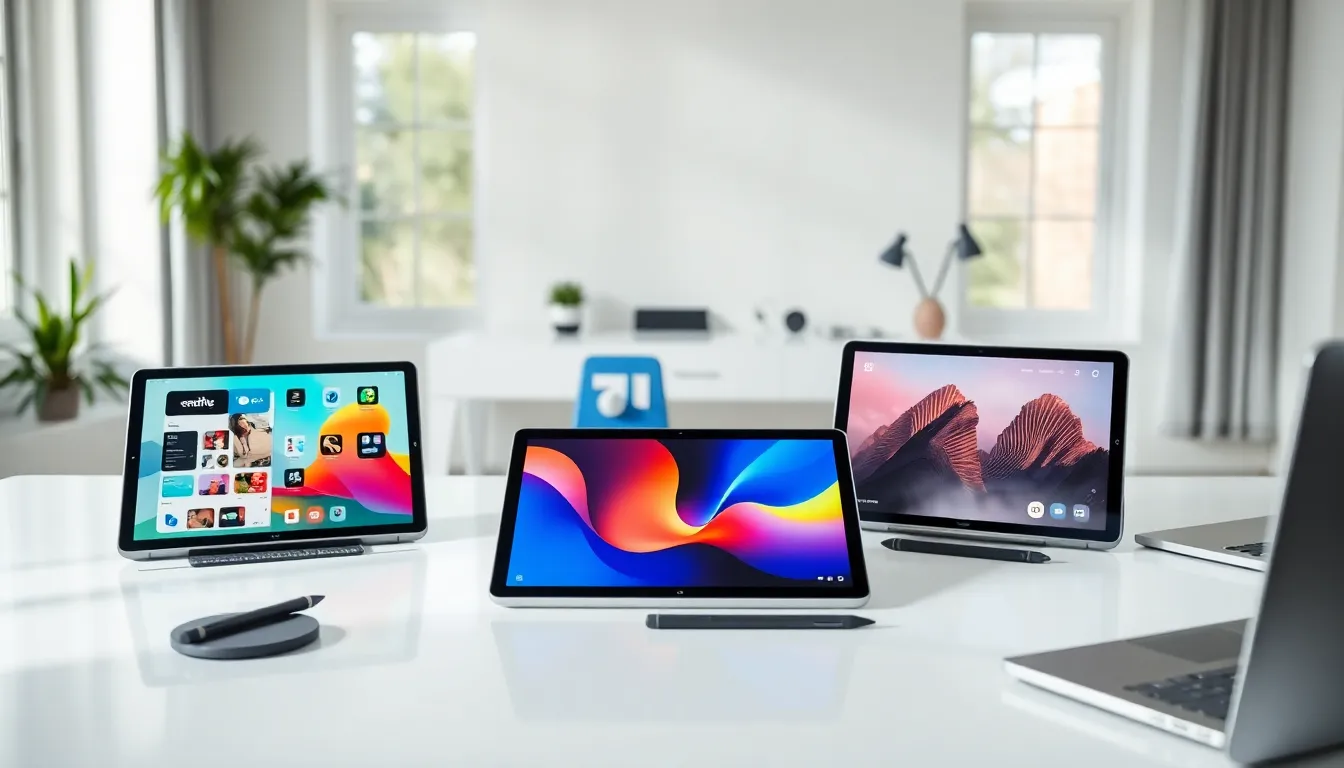
Mid-size tablets (10 to 11 inches) offer a balance between portability and usability. This size works well for most common tasks, from streaming video to light productivity work. Many popular tablets fall into this category.
Larger tablets (12 to 13 inches) function almost like portable monitors. They excel at creative tasks, video editing, and document work. But the added size and weight make them less convenient for travel.
Display quality matters just as much as size. Resolution determines image sharpness, look for at least 1920×1080 pixels for clear text and video. Screen brightness affects outdoor visibility. Some tablets feature OLED panels with deeper blacks and more vibrant colors, while LCD screens typically cost less.
Performance and Storage
Processor power determines what a tablet can handle. Basic web browsing and video streaming require minimal processing power. But gaming, video editing, and running multiple apps simultaneously demand faster chips. Tablets with Apple’s M-series chips or Qualcomm’s Snapdragon 8 series deliver top-tier performance.
RAM affects multitasking capability. Budget tablets often include 3 to 4 GB of RAM, which works fine for simple tasks. Power users should look for 8 GB or more to keep apps running smoothly in the background.
Storage capacity ranges from 32 GB to 2 TB. Users who store lots of photos, videos, and apps should aim for at least 128 GB. Some tablets accept microSD cards for expandable storage, though this feature has become less common on premium models. Cloud storage offers another option for keeping files accessible without filling up internal memory.
Popular Tablet Operating Systems Compared
Three operating systems dominate the tablet market: iPadOS, Android, and Windows. Each has strengths and weaknesses that appeal to different users.
iPadOS runs exclusively on Apple’s iPad lineup. It offers a polished user experience with smooth animations and reliable performance. The App Store provides access to over a million tablet-optimized apps. iPadOS excels at creative tasks thanks to strong developer support and seamless integration with Apple Pencil. But, iPads cost more than many Android alternatives and work best within Apple’s ecosystem.
Android tablets come from various manufacturers at different price points. Samsung, Lenovo, and Amazon all produce Android-based tablets. The Google Play Store offers millions of apps, though fewer are optimized specifically for tablet screens compared to iPad. Android provides more customization options and broader hardware choices. Budget-conscious buyers often find excellent value in Android tablets.
Windows tablets run the full desktop operating system. This means access to traditional desktop software like Microsoft Office, Photoshop, and specialized professional applications. Windows tablets like the Microsoft Surface line can replace laptops entirely for many users. They tend to be heavier and more expensive than iPads or Android tablets but offer unmatched software compatibility.
Amazon’s Fire tablets deserve mention as a budget option. They run Fire OS, a modified version of Android. Fire tablets cost significantly less than competitors, some models start under $50. They integrate tightly with Amazon services like Prime Video and Kindle. But, they lack access to the full Google Play Store and generally offer weaker performance.
Best Uses for Tablets in Everyday Life
Tablets serve different purposes for different people. Understanding common use cases helps buyers identify which features matter most for their situation.
Entertainment ranks as the most popular tablet use. Streaming services like Netflix, YouTube, and Disney+ look great on tablet screens. The larger display compared to phones makes watching shows and movies more enjoyable. Tablets also excel at mobile gaming, with thousands of titles available across all platforms.
Students and professionals use tablets for productivity. Note-taking apps combined with a stylus can replace paper notebooks entirely. Many people find tablets ideal for reading documents, annotating PDFs, and managing email. With a keyboard attachment, tablets handle word processing and spreadsheet work effectively.
Creative work has found a home on tablets. Artists use devices like the iPad Pro with Apple Pencil to create professional illustrations. Musicians compose and produce tracks using tablet apps. Photographers edit images on the go using mobile versions of Lightroom and Photoshop.
Families often designate tablets as shared devices. Kids use them for educational apps and games while parents stream recipes in the kitchen or read e-books. The touchscreen interface makes tablets accessible even to young children.
Travelers appreciate tablets as portable entertainment centers. They weigh less than laptops and offer longer battery life. Downloading movies and shows before a flight keeps passengers entertained without Wi-Fi. Tablets also work well for reading, journaling, and staying connected through video calls.