Choosing a tablet in 2025 requires more than picking a familiar brand. This tablets guide breaks down what actually matters, operating systems, display quality, performance specs, and how different devices fit different lifestyles. Whether someone needs a tablet for streaming, productivity, or creative work, the right choice depends on understanding a few key factors. The tablet market has grown crowded, but that’s good news for buyers. More options mean better prices and features across every budget. Here’s how to cut through the noise and find a tablet that delivers real value.
Table of Contents
ToggleKey Takeaways
- This tablets guide recommends choosing an operating system (iPadOS, Android, or Windows) based on your existing devices and ecosystem preferences.
- Display quality matters—aim for at least 1920 x 1200 resolution and consider 120Hz refresh rates for smoother gaming and scrolling.
- Start with at least 128GB of storage, and opt for tablets with microSD expansion if you need flexibility without paying premium prices.
- Match your tablet to your primary use: mid-range devices ($200–$500) suit entertainment, while creative professionals need high-end processors and stylus support.
- Windows tablets like the Surface Pro run full desktop software but cost more and have shorter battery life than iPad or Android alternatives.
- Always check independent battery life reviews rather than relying on manufacturer claims, which often overestimate real-world performance.
Understanding Tablet Types and Operating Systems
Tablets fall into three main categories based on their operating system: iPadOS, Android, and Windows. Each system shapes how a tablet works, what apps it runs, and how it connects with other devices.
iPadOS tablets run exclusively on Apple’s iPad lineup. They offer a polished interface, excellent app optimization, and tight integration with iPhones and Macs. The App Store provides high-quality tablet-optimized apps, which remains a significant advantage. iPads range from the budget-friendly iPad (10th generation) to the powerful iPad Pro with M-series chips.
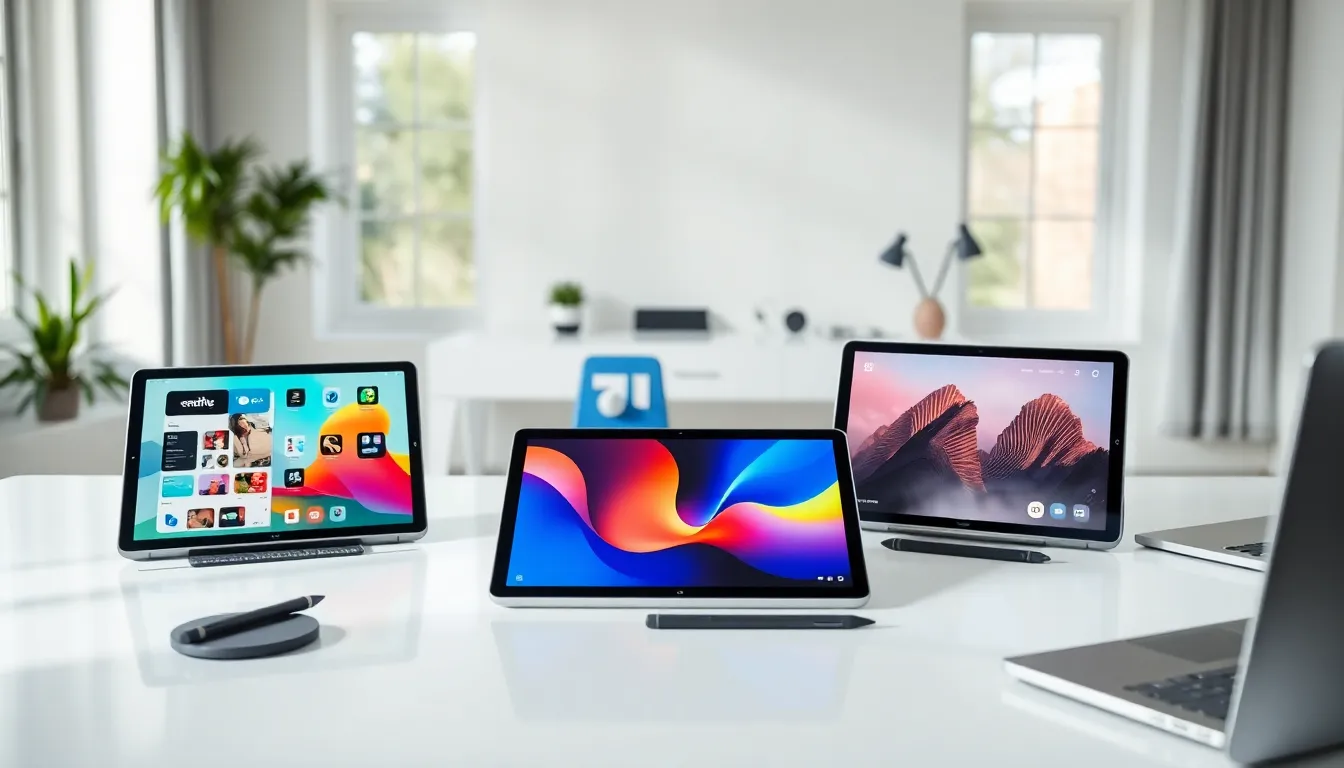
Android tablets come from multiple manufacturers, Samsung, Lenovo, Google, and others. This variety creates options at every price point. Samsung’s Galaxy Tab series competes directly with iPads on premium features, while budget Android tablets from brands like Amazon offer affordable entry points. Android provides more customization but app optimization varies by device.
Windows tablets like the Microsoft Surface Pro blur the line between tablet and laptop. They run full desktop software, making them ideal for professionals who need programs like Adobe Creative Suite or Microsoft Office with complete functionality. The tradeoff? Windows tablets typically cost more and have shorter battery life than their iPad or Android counterparts.
The operating system also affects ecosystem lock-in. Someone already using an iPhone will find an iPad syncs contacts, messages, and files effortlessly. Android users get similar benefits with Samsung or Google tablets. Choosing a tablet often means choosing an ecosystem, so buyers should consider what devices they already own.
Key Features to Consider Before Buying
Display and Performance Specifications
A tablet’s display defines the user experience. Screen size typically ranges from 8 inches to 13 inches. Smaller tablets work well for reading and portability. Larger screens suit video editing, digital art, and split-screen multitasking.
Resolution matters for clarity. A good tablets guide recommends at least 1920 x 1200 pixels for sharp text and images. Premium tablets offer 2K or higher resolution with features like OLED panels for deeper blacks and vibrant colors. Refresh rate, measured in Hz, affects smoothness. Standard tablets run at 60Hz, while high-end models hit 120Hz for fluid scrolling and gaming.
Processor performance determines what tasks a tablet handles comfortably. Apple’s M-series chips in iPad Pro models deliver laptop-level power. Qualcomm Snapdragon processors power most Android tablets, with the 8 Gen series offering flagship performance. For basic browsing and streaming, mid-range chips work fine. Creative professionals and gamers should prioritize higher-end processors.
RAM affects multitasking capability. Budget tablets often include 4GB, which handles light use. Power users should look for 8GB or more to run multiple apps smoothly.
Battery Life and Storage Options
Battery life varies significantly across tablets. Most manufacturers claim 10-12 hours of use, but real-world results depend on screen brightness, tasks, and connectivity. Streaming video drains batteries slower than gaming or video editing. Buyers should check independent reviews for accurate battery assessments rather than relying solely on manufacturer specs.
Storage options directly impact usability. Base models often start at 64GB or 128GB. This sounds adequate until users install apps, download media, and store photos. A practical tablets guide suggests 128GB as the minimum for most users. Heavy users should consider 256GB or higher.
Some tablets offer expandable storage via microSD cards, common on Android devices but absent on iPads. This flexibility lets users add storage affordably over time. Cloud storage provides another option, though it requires internet access and often ongoing subscription fees.
Connectivity options round out the feature set. Wi-Fi-only tablets cost less but limit use to areas with wireless networks. Cellular models with 5G or LTE add $100-$200 to the price plus monthly data costs, but they provide internet access anywhere with cell coverage.
Matching a Tablet to Your Needs
Different users need different tablets. A student has different requirements than a graphic designer or a retiree who wants to video chat with grandchildren. This tablets guide breaks down the best matches by use case.
For entertainment and casual use, mid-range tablets deliver excellent value. The standard iPad, Samsung Galaxy Tab A series, or Amazon Fire HD tablets handle streaming, browsing, and social media without issue. These devices cost between $200-$500 and offer good displays with adequate performance.
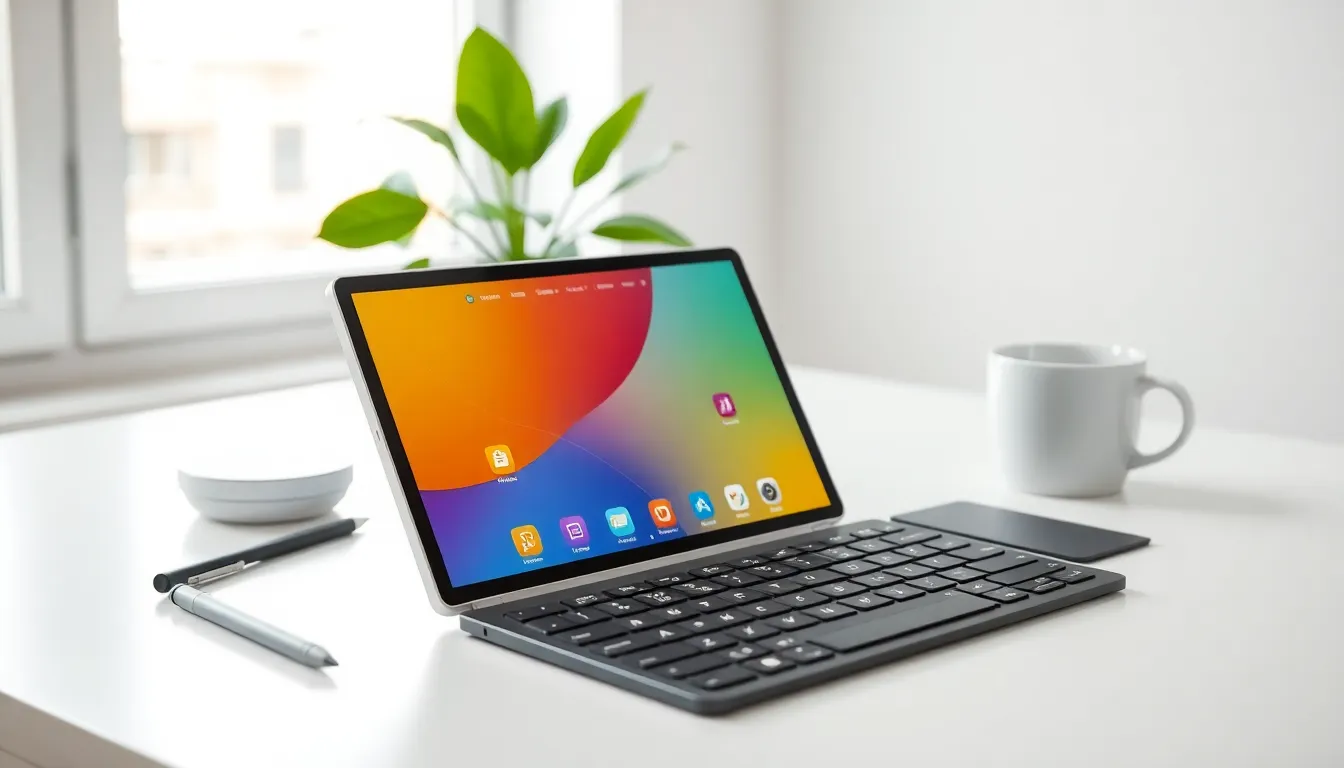
For productivity and work, consider tablets with keyboard accessories and stylus support. The iPad Air paired with a Magic Keyboard transforms into a capable work machine. Samsung’s Galaxy Tab S9 series with DeX mode provides a desktop-like experience. Windows tablets like the Surface Pro run full Office applications and professional software natively.
For creative professionals, processing power and display quality take priority. The iPad Pro with Apple Pencil remains the industry standard for digital illustration. Its ProMotion display and pressure-sensitive stylus create a paper-like drawing experience. Samsung’s Galaxy Tab S9 Ultra offers a massive 14.6-inch screen that appeals to artists who want more canvas space.
For students, durability and note-taking features matter most. Budget tablets with stylus support let students annotate PDFs and handwrite notes. Look for devices with good battery life to last through a full day of classes.
For seniors, simplicity wins. Tablets with clean interfaces, large icons, and good front-facing cameras for video calls work best. The standard iPad offers an intuitive experience, while Amazon Fire tablets provide an affordable option with easy setup.
Budget plays a role, but buyers shouldn’t automatically choose the cheapest option. A tablet that frustrates its owner ends up unused. Spending slightly more for a device that genuinely fits someone’s needs often proves more economical long-term.