Best 3D printing starts with the right knowledge. Whether someone wants to create prototypes, custom parts, or artistic designs, 3D printing offers endless possibilities. This technology has moved from industrial factories into homes, schools, and small businesses worldwide.
Choosing the best 3D printing setup depends on several factors. Budget, intended use, and skill level all play important roles. This guide covers everything from printer selection to material choices and optimization tips. Readers will learn how to achieve professional-quality prints without wasting time or money on trial and error.
Table of Contents
ToggleKey Takeaways
- The best 3D printing setup depends on your budget, intended use, and skill level—entry-level printers start at $150, while professional-grade machines exceed $2,000.
- FDM technology offers the most accessible entry point for beginners due to its affordability, wide material options, and abundant troubleshooting resources.
- PLA is ideal for beginners and decorative projects, while PETG provides the best 3D printing material choice for practical, durable applications.
- Proper bed leveling, temperature calibration, and slicer optimization are essential for achieving professional-quality prints.
- Regular maintenance—including nozzle cleaning, rail lubrication, and proper filament storage—prevents common printing failures and saves time.
How to Choose the Right 3D Printer for Your Needs
Selecting the best 3D printing machine requires careful consideration of several key factors. The market offers hundreds of options at various price points, so understanding specific needs helps narrow down choices quickly.
Budget Considerations
Entry-level 3D printers cost between $150 and $500. These machines work well for hobbyists and beginners who want to learn the basics. Mid-range printers ($500 to $1,500) offer better build quality, larger print volumes, and more consistent results. Professional-grade machines start at $2,000 and can exceed $10,000 for industrial applications.
Build Volume and Print Size
Build volume determines the maximum size of objects a printer can create. Standard consumer printers offer volumes around 220 x 220 x 250mm. Larger projects require bigger machines. Small figurines and replacement parts work fine on compact printers. Furniture components or large prototypes need expanded build areas.
Ease of Use
Beginners should prioritize printers with auto-leveling beds, intuitive software, and strong community support. Brands like Creality, Prusa, and Bambu Lab have earned reputations for user-friendly designs. Pre-assembled units save setup time, while kit printers cost less but require mechanical knowledge.
Print Quality Requirements
Layer resolution affects the smoothness of finished prints. Most consumer printers achieve 0.1mm to 0.3mm layer heights. Lower numbers mean finer detail but longer print times. The best 3D printing results come from matching resolution settings to project requirements rather than defaulting to the highest quality.
Top 3D Printing Technologies Explained
Three main technologies dominate the 3D printing market. Each method has distinct advantages and limitations that affect print quality, speed, and material options.
Fused Deposition Modeling (FDM)
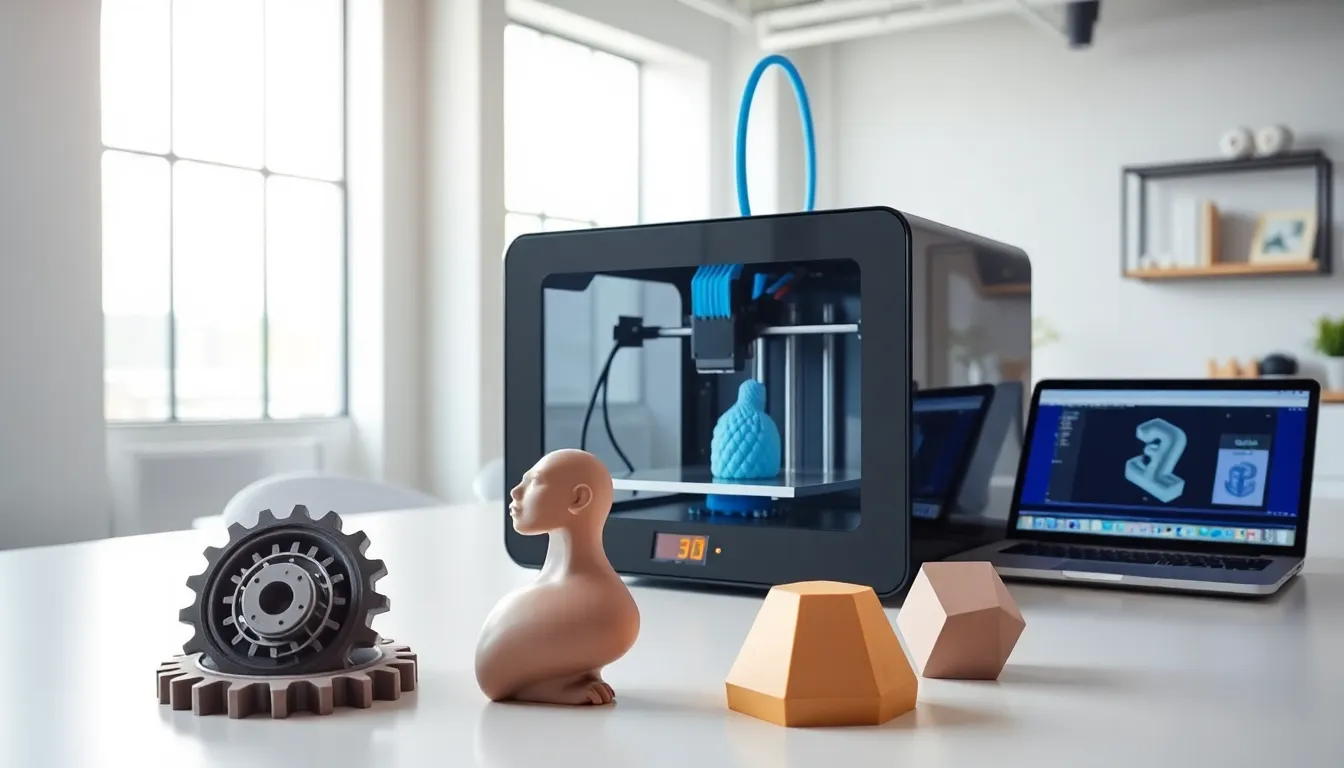
FDM printers melt plastic filament and deposit it layer by layer. This technology powers most consumer 3D printers due to its affordability and accessibility. FDM machines handle materials like PLA, ABS, PETG, and TPU. They produce strong functional parts but may show visible layer lines on finished objects.
The best 3D printing experience for beginners typically starts with FDM. These printers cost less to buy and operate. Material choices are wide, and troubleshooting resources are abundant online.
Stereolithography (SLA)
SLA printers use UV light to cure liquid resin into solid objects. This process creates incredibly detailed prints with smooth surfaces. Jewelry makers, dental professionals, and miniature painters favor SLA technology for its precision.
SLA printing requires more post-processing than FDM. Users must wash prints in isopropyl alcohol and cure them under UV light. Resin also costs more than filament and requires careful handling due to toxicity concerns.
Selective Laser Sintering (SLS)
SLS machines use lasers to fuse powdered materials together. This industrial technology produces strong, functional parts without support structures. SLS printers handle nylon, glass-filled polymers, and even metals.
Most SLS machines remain too expensive for home use. But, some desktop options now bring this technology within reach of serious hobbyists and small businesses seeking the best 3D printing capabilities for end-use parts.
Essential Materials for Quality 3D Prints
Material selection directly impacts print success. Each filament or resin type offers different properties suited to specific applications.
PLA (Polylactic Acid)
PLA remains the most popular 3D printing material. It prints at low temperatures (190-220°C), produces minimal odor, and doesn’t require a heated bed. PLA works perfectly for decorative items, prototypes, and educational projects. Its biodegradable nature appeals to environmentally conscious users.
But, PLA softens at relatively low temperatures (around 60°C) and lacks the strength of engineering plastics. It’s not ideal for outdoor use or mechanical components.
ABS (Acrylonitrile Butadiene Styrene)
ABS offers better heat resistance and durability than PLA. This material suits functional parts, enclosures, and items that face mechanical stress. LEGO bricks use ABS, demonstrating its strength and longevity.
Printing ABS requires higher temperatures and an enclosed print chamber. The material releases fumes during printing, so proper ventilation matters. Warping can occur without adequate bed adhesion.
PETG (Polyethylene Terephthalate Glycol)
PETG combines the easy printing of PLA with improved strength and flexibility. It resists moisture and chemicals better than both PLA and ABS. Many users consider PETG the best 3D printing material for practical applications.
Specialty Filaments
Wood-filled, carbon fiber, and flexible TPU filaments expand creative possibilities. These materials require specific printer settings and may need upgraded nozzles. Experimenting with specialty filaments helps users achieve unique finishes and functional properties.
Tips for Achieving the Best 3D Printing Results
Even expensive printers produce poor results without proper setup and technique. These practical tips help users maximize print quality.
Bed Leveling and Adhesion
A level print bed forms the foundation of successful prints. Uneven beds cause first-layer issues that compound throughout the entire print. Auto-leveling systems help, but manual verification catches problems automatic sensors might miss.
Clean the print surface before each job. Glass beds work well with glue stick or hairspray. PEI sheets provide excellent adhesion when kept free of oils and debris.
Temperature Calibration
Every filament brand performs differently. Temperature towers help identify optimal settings for specific materials. Running these calibration prints saves filament and time on failed projects later.
The best 3D printing outcomes require matching temperatures to materials. Too hot causes stringing and blobs. Too cold results in poor layer adhesion and weak parts.
Slicer Settings Optimization
Slicer software converts 3D models into printer instructions. Learning key settings dramatically improves results. Infill percentage affects strength and print time. Support structures enable complex geometries but require cleanup. Print speed impacts quality, slower often means better.
Popular slicers like Cura, PrusaSlicer, and Bambu Studio offer preset profiles for common materials. Start with manufacturer recommendations, then adjust based on observed results.
Maintenance Matters
Regular maintenance prevents many common problems. Clean nozzles avoid clogs. Lubricated rails ensure smooth movement. Tight belts maintain dimensional accuracy. Spending ten minutes on maintenance saves hours of troubleshooting failed prints.
Store filament properly in sealed containers with desiccant. Moisture absorption degrades material quality and causes printing issues.